
Link copied
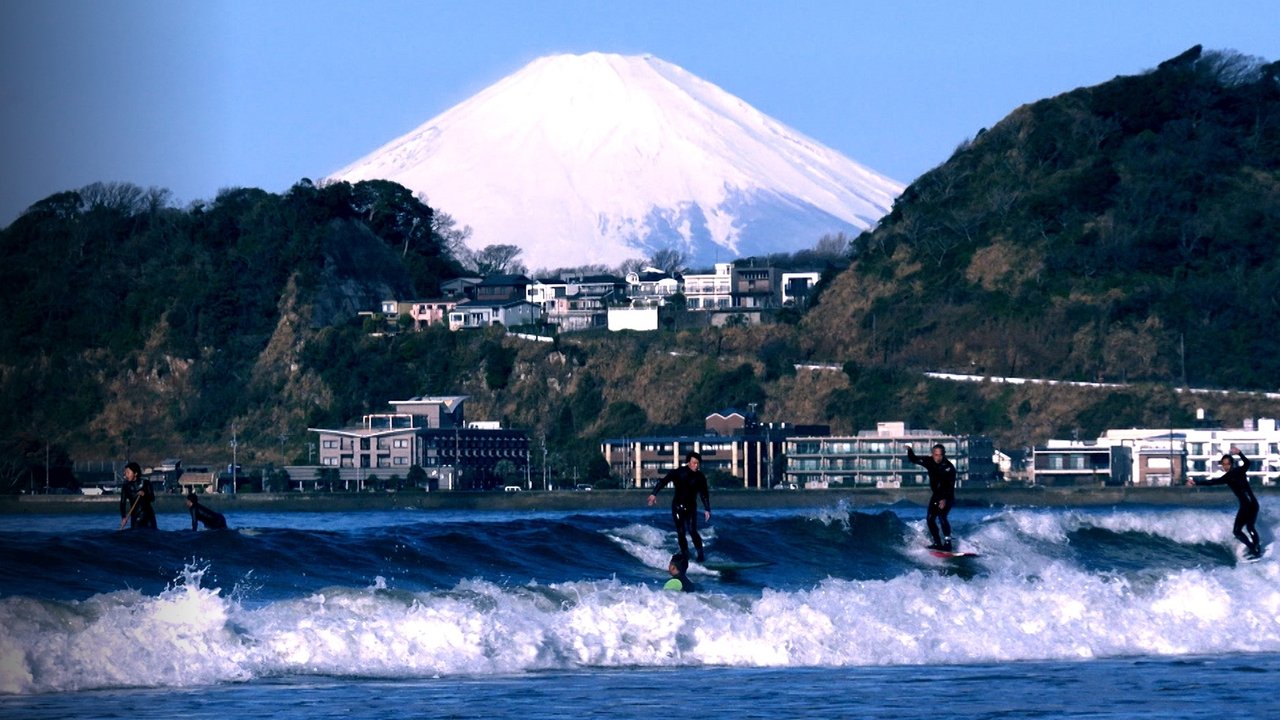
Play S1 E1This program visits places across Japan to introduce the charms of their local daily life and festivals fostered by the nation's long history.
TV-GHDCC
17 episodes
- 1. Kyoto: Coloring the SeasonKariyasu, kuchinashi, and moegi -all are Japanese words for colors. The Japanese language has a lot of words for expressing subtle tints. Many have their origin in Kyoto and are still very much alive in the speech of the former capital. Historians suggest the Japanese did not make such rigid color distinctions in ancient times but the change began when imports arrived from China and Korea, and the Japanese sensitivity to color then blossomed as a variety of new tints were produced here as well.TV-GCCApr 4, 2012
- 2. Kakunodate: Stories of Old FamiliesKakunodate is the "Little Kyoto" of Tohoku, a castle town and popular tourist destination where the streets are lined with traditional-style buildings dating from the Edo Period (17th to mid-19th century). We meet people who adhere to the old ways of life, such as descendents of an old samurai family who still dwell in the Ishiguro Manor, a centuries old samurai house now open to public, and a lady descended from the Satake Kita clan that once ruled Kakunodate. The town is liveliest during the autumn festival when great floats are made to clash against each other in the parade. The bearers need power, courage and skill to triumph. We recorded the lives and traditions of samurai, merchant, farmer and lordly families on a 6 month sojourn in a place where distinctive old customs are still very much alive.TV-GCCApr 18, 2012
- 3. Spirited Away to TonoThe folklorist, Kunio Yanagita, wrote his "Tono Monogatari" (Tales of Tono) about a century ago. The book related how mysterious beings such as the kappa river goblins, the zashikiwarashi child spirits, mountain gods and ghosts had their willful way, reporting the events as eye-witness accounts and present-day happenings. It led its readers - mostly dwellers of the plains facing the first waves of modernization - to the psychological heart of the humble Japanese people, hemmed in as they were by mountains and rivers. Today, though, 100 years later, what has become of those old beliefs in the amazing creatures and gods described in the book? We follow the lives of people in Tono for a year, from their faith in the tutelary Oshirasama gods made from staves of mulberry wood to the rites of the Bon Festival of the Dead, rediscovering the old Japanese ways of thinking and reverence for the things that surpass human powers.TV-GCCMay 2, 2012
- 4. Japanese Towers: Memories Past and PresentTowers that reach to the skies. Towering tourist attractions around the country have precursors in the stupas of Buddhism. Since the late nineteenth century, they have been built as windows on the new age and symbols of local pride. The Japanese still love towers that pierce the heavens. We report on the people and local stories of Japan's towers, including the Tokyo Sky Tree that opens on May 22nd, 2012, discovering insights to the Japanese people's religious belief, love of their birthplace and also construction skills.TV-GCCMay 16, 2012
- 5. Matsushima: Islands of Beauty and PrayerThe beautiful islands of Matsushima in Miyagi Prefecture are known as one of the three great scenic spots of Japan. The view of the more than 260 islands dotting the placid waters was left amazingly unspoiled even by the Great East Japan Earthquake last year.TV-GCCMay 30, 2012
- 6. Suwa: A Celebration Down Through TimeSuwa was a center of culture in Japan in the Jomon period before rice cultivation arrived. It is said that in those ancient times, too, people transported many great tree trunks for erection at their sacred places in much the same way as we see at the Suwa shrines today. The environment was harsh and life and death so close for the people of Jomon times. Their spirit lives on in Suwa today. We introduce people who preserve a faith at the roots of Japanese prayer.TV-GCCJun 6, 2012
- 7. Niyodo River: Living with Japan's Clearest RiverWith its glass-like translucency, the River Niyodo on Shikoku is renowned for possessing the clearest water in Japan. 124km long, it has its source in the highest mountains of Western Japan and, swelled by many tributaries, flows out eventually into the Pacific Ocean. The river supports rich plant- and wildlife and has also nurtured a distinctive river-based culture for the people who live among the sounds of the flowing water. On the upper reaches, there are cherry blossoms in spring and then the fishermen arrive when the sweetfish season opens in early summer. The children love to leap into the water from the highest possible boulders. Nearer the mouth, there is a town that flourished making tengujoshi, the very thinnest Japanese paper (washi) of all. We meet a young craftsman who has inherited the techniques from his forebears and still proudly makes paper beside the Niyodo today. Crystal-clear waters and riverine scenery... we depict the people and places of this great river.TV-GCCJun 20, 2012
- 8. Mt. FujiMt. Fuji is Japan's highest peak at 3776m. Its magnificence and beauty have impressed the Japanese over the millennia. Climbers flock there each night once it has been formally opened for climbing in July each year and walk up to witness the dawn at the summit. Mt. Fuji is more than a symbol of beauty to the Japanese - it represents the greatness of nature and is also an object of mystical faith. In stunning pictures, we introduce the various faces of Mt. Fuji through the four seasons, the sacred, ethereal scenery and the words of people whose lives have revolved around the mountain over the years. Discover the allure of the mountain that has gripped the minds of Japanese people for thousands of years.TV-GCCJul 4, 2012
- 9. Awa Dance: Obon Festival with 100,000 DancersThe Awa Odori dance is the highlight of the 4-day Obon Festival of the Dead in Tokushima, Shikoku, in August each year. About 100,000 people join in the dancing and 1.3 million come to watch this most popular of all Bon dances in Japan. The dance's original purpose, of course, is to honor the souls of the dead, but it has also developed as a thrilling affirmation of the joys of life, and both the costumes and music are highly distinctive. We remember back to the people who started dancing again in the post-war ruins in the cotton kimonos of summer that had somehow survived the flames, meet a woman who has elevated the dance into the realm of art, and also youngsters dancing for the first time this year. The video images capture the full festive passion.TV-GCCAug 1, 2012
- 10. Kamakura: Samurai and ZenKamakura, like the two old capital cities of Nara and Kyoto, also served at one stage as the nation's political center. Minamoto no Yoritomo chose Kamakura as the seat of Japan's first shogunate or military government in the 12th Century. It very much retains the flavor and ideological legacy of the warrior class. We go on a tour of the place that laid the spiritual foundations and led to the flowering of Japanese culture, showing why it continues to attract so many visitors. The itinerary includes the Tsurugaoka Hachimangu Shrine, a spiritual pillar for the warrior class; the Great Buddha, which is Kamakura's most famous landmark; and Kenchoji Temple, an important center of Zen Buddhism.TV-GCC30minSep 5, 2012
- 11. Itsukushima: Island of the GodsMiyajima, an island 30 km around in the Seto Inland Sea, is known as one of the 3 most beautiful spots in Japan. It has been thronging with more than 3.4 million tourists a year ever since the Itsukushima Shrine was registered as a World Heritage Site. Worshiped as a sacred isle since ancient times, this is a place of rich nature, food culture and other diverse customs and traditions.TV-GCCSep 19, 2012
- 12. Hand-Made in JapanOur theme this time is traditional crafts. The Japanese have a long history of making good handicraft use of natural materials. From pottery and woodwork to textiles and metalwork, the Japanese have employed fire, water and sometimes also the wind to create everyday utensils that are beautiful and easy to use. Muneyoshi Yanagi, the father of the Japanese folkcraft movement, called Japan "a land of the hand" and described handicrafts as one of the forces which "provide enormous power for the preservation of Japan". The program follows the handicraft theme in paper, knives, lacquer, ship's chests, abaca cloth and other fields to depict the power of Japan's traditional crafts as well as the climate that nurtured them.TV-GCCOct 3, 2012
- 13. Dolls: Bearers of DreamsThe Japanese fascination with dolls extends through Neolithic clay figures to Girls' Day festival dolls, puppets and now cartoon character figurines as well. The dolls embody diverse local traditions and beliefs, serving as prayers for good health and rich harvests, or for the repose of the dead, as expressions of awe and respect for the deities, and as toys or ideal figures. The Girls' Day festival dolls represent the Emperor's court gathered for a wedding in Kyoto. This nationwide custom is a prayer for the healthy growth of girl children. In puppet theater, Bunraku and Ningyou-joruri flourished in Osaka during the Edo Period, which lasted from the 17th to the mid-19th century. The puppets express all the subtlety and feelings of real human beings and it takes years of practice to master the puppetry techniques. What do dolls mean to the Japanese people? We look back over this fond, beautiful and extraordinary history.TV-GCCOct 17, 2012
 14. Tracing Rice in JapanRice is special to the Japanese. Since rice cultivation arrived here millennia ago, it has molded Japanese society, the landscape and religious beliefs. That history is reflected in archaeological sites and other remains across the country and in everyday lifestyles today. This is a journey to aspects of the Japanese mind that have been nurtured by rice farming. We also meet people who still dedicate their efforts to this beloved crop today.TV-GCCNov 7, 2012
 15. Blowfish: A Secret Taste from the DeepThe blowfish is an expensive delicacy in Japan that has been eaten here for thousands of years, judging from the presence of blowfish bones in prehistoric remains. The flesh is firm with almost no fat and mostly ignored in other countries. The fish is also highly toxic and even a slight error in preparation can kill. The Japanese, though, have come to love the quintessential flavor of its white meat and also the aesthetic of dining so close to death. Fugusashi - blowfish slices served raw - is a representative way to serve the fish. The chef slices the firm flesh extremely thin to obtain the perfect texture. The chefs of Shimoneseki City have developed special techniques for this through friendly rivalry with each other. Another is the fugunabe hotpot. The collagen which makes the flesh so firm becomes tender with boiling in this highly savory repast. We examine the development of Japan's food culture through the lens of the quest for the most delicious preparation of this white fish.TV-GCCNov 21, 2012
- 16. Millennium Guardians: The Buddhist Statues of KyotoKyoto is a treasure house of Buddhist statuary. The many statues there include 37 designated national treasures and 416 important cultural properties, second only in number to those of Nara. Jizo, the bodhisattva Ksitigarbha, is especially closely entwined with the people's lives in Kyoto and small roadside shrines housing Jizo statues can be seen all over the city. Local residents sweep in front of the shrines each morning and it is only normal here for people to pause and hold their hands together in prayer as they pass by on their way to school or work. The city has grown with the images and those images provide the people with precious moments of tranquility. This is the story of how much the statues to which they pray mean in the daily lives of Kyoto people.TV-GCCDec 5, 2012
- 17. Nights of SnowAreas of Japan experience the heaviest snowfall in the world. The people there have come up with various ways to spend those cold, silent, fearful winter nights when human companionship becomes so important, not to mention dishes born in the freezing weather that now rank among the representative Japanese flavors. What did they think, feel and create on those long, snow-bound nights? Join us for a wide-ranging look at the snowy nights of Japan.TV-GCCDec 19, 2012
Viewers also watched



Seasoning the Seasons
★ 10.0/10201215 seasons176 episodesReturning Series
This program visits places across Japan to introduce the charms of their local daily life and festivals fostered by the nation's long history.
Creators and cast
- Studio
- NHK, NHK Enterprises
Maturity rating
TV-GCheck the rating before watching with younger viewers.
Audio languages
Japanese, English
Where to watch
Not currently listed on any streaming, rental or purchase service.
Details and artwork from TMDB. Availability from JustWatch and can change without notice.