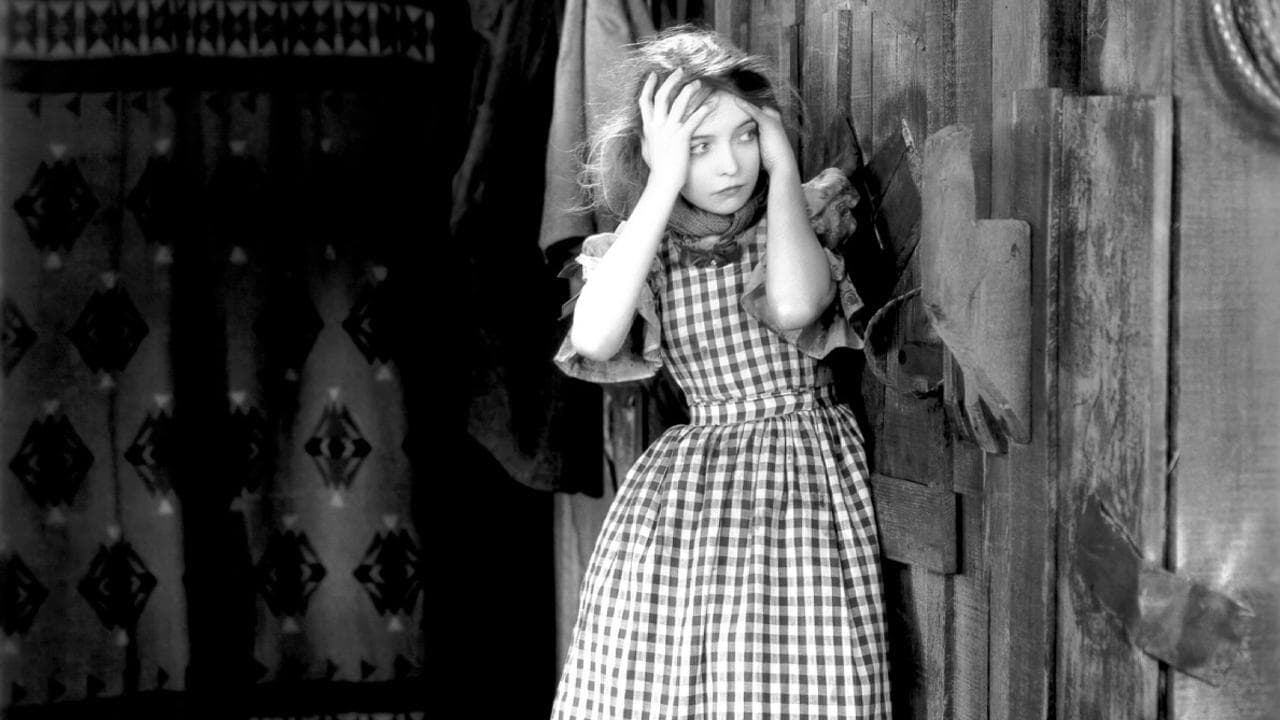
Hollywood
Link copied
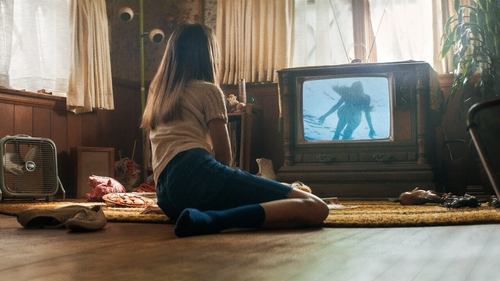
Play S1 E1A 1980 documentary series exploring the establishment and development of the Hollywood studios and its impact on 1920s culture.
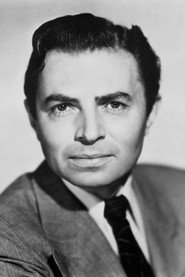
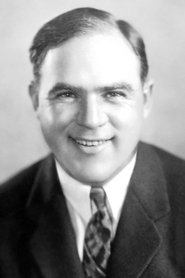
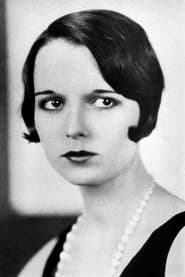
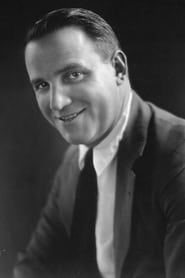
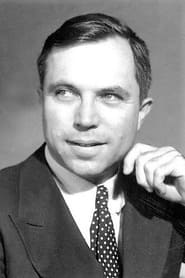
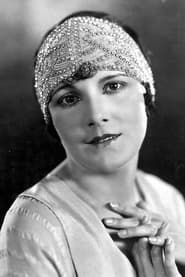
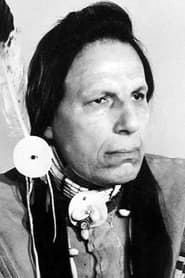
Cast: James Mason, Hal Roach, Louise Brooks
HDCC
Season 1
13 episodes
 1. PioneersThe evolution of film from penny arcade curiosity to art form, from what was considered the first plot driven film, The Great Train Robbery, through to The Birth of a Nation, films showing the power of the medium. Early Technicolor footage, along with other color technologies, are also featured.CC50minJan 8, 1980
- 2. In the BeginningHollywood is transformed from a peaceful village with dusty streets and lemon groves to the birthplace of the industry in California. Silent film transcends international boundaries to become a worldwide phenomenon. CC50minJan 15, 1980
- 3. Single Beds and Double StandardsFast success in Hollywood brings a cavalier party lifestyle, which led to shocking scandals such as Roscoe 'Fatty' Arbuckle's trial and subsequent acquittal for manslaughter. To tone down the image of Hollywood and curtail films with footage unsuitable to all audiences, Will H. Hays is appointed and introduces Hollywood's self regulated Production Code, which would be enforced well into the 1960s, while filmmakers still found creative ways to present 'adult' situations.CC50minJan 22, 1980
- 4. Hollywood Goes to WarThe outbreak of World War I provides Hollywood with a successful source for plots and profits. Peacetime curtails the release of war movies, until the release of King Vidor's The Big Parade in 1925. Wings (1927) earns the first Academy Award for Best Picture. As movies transition to sound, Universal releases Lewis Milestone's All Quiet on the Western Front, showing the German side of the conflict, becoming a powerful statement of war by the generation that fought it. Interviews include Douglas Fairbanks, Jr., King Vidor, Blanche Sweet and Lillian Gish.CC50minJan 29, 1980
- 5. Hazard of the GameSilent films are often remembered for slapstick gags and dangerous stunts. Stuntmen took anonymous credit for very little pay and could not reveal their involvement. Stuntmen Yakima Canutt, Harvey Parry, Bob Rose and Paul Malvern tell hair-raising and humorous stories, and reveal the secrets behind many famous stunts.CC50minFeb 5, 1980
- 6. Swanson and ValentinoTwo of the great romantic legends of the silent screen are profiled. Rudolph Valentino's on-screen persona is remarkably different from his real personal life, as recounted by his brother, Albert, and Gloria Swanson recalls her meteoric rise – and fall – with remarkable candor.CC50minFeb 12, 1980
- 7. The AutocratsTwo of Hollywood's greatest directors, Cecil B. DeMille and Erich von Stroheim. One worked with the Hollywood system, the other against it. DeMille's pictures, lavish in detail and cost, made his studio a fortune, while Von Stroheim's similar ways, albeit to excess in footage and expense, resulted in films that were often either excessively cut by the studios or never released, leading to his being fired on several occasions.CC50minFeb 19, 1980
- 8. Comedy: A Serious BusinessHollywood learned very early how to make people laugh. Comedy was king, and battling for the throne were stars like Harold Lloyd, Buster Keaton, Harry Langdon and Charlie Chaplin. In a purely visual medium, their comedy was a work of genius.CC50minFeb 26, 1980
- 9. Out West'The Old West' was still in existence in the silent days. Old cowboys and outlaws re-lived their youth, and got paid for doing it, by working in films. The 'western craze' really begins with stars like William "Buffalo Bill" Cody and Tom Mix.CC50minMar 4, 1980
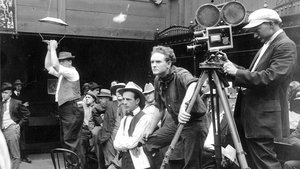
- 10. The Man with the MegaphoneSilent film directors were flamboyant pioneers, making up their technique as they went along. Filming 'indoor' sets on open outdoor lots and combating the elements, communicating with actors in spite of overwhelming distraction and deafening noise, directors (male and female) fashion great films out of chaos and confusion. CC50minMar 11, 1980
- 11. Trick of the LightSkilled cameramen had the ability to turn an actress into a screen goddess, and were valuable assets to studios and stars. With the aid of art directors, they achieved some of the most amazing and dangerous sequences captured on film, pioneering photography effects used through the remainder of the 20th century.CC50minMar 18, 1980
- 12. Star TreatmentProducers discovered the effect of 'star power' on their box office bottom line. Creating Hollywood stars becomes its own industry, resulting in the Hollywood Star System, from which came Clara Bow, Lillian Gish, and John Gilbert, successor to Rudolph Valentino as "The Great Lover". But as easily as they made them, studios could break them.CC50minMar 25, 1980
- 13. End of an EraSilent films had universal appeal, simply by replacing intertitles and dialogue cards for the foreign markets. Sound film was experimented with in many forms since the 1890s, but did not become commercially successful until The Jazz Singer in 1927. Hollywood movie making was transformed and ultimately shattered, taking the careers of many silent film stars, directors and producers with it, victims of the emerging technology.CC50minApr 1, 1980
Viewers also watched

Hollywood
★ 8.4/1019801 season13 episodesEnded
A 1980 documentary series exploring the establishment and development of the Hollywood studios and its impact on 1920s culture.
Creators and cast
- Directors
- Kevin Brownlow, David Gill
- Created by
- Kevin Brownlow, David Gill
- Studio
- Thames Television
Maturity rating
Not yet rated.
Audio languages
English
Where to watch
Not currently listed on any streaming, rental or purchase service.