
Link copied
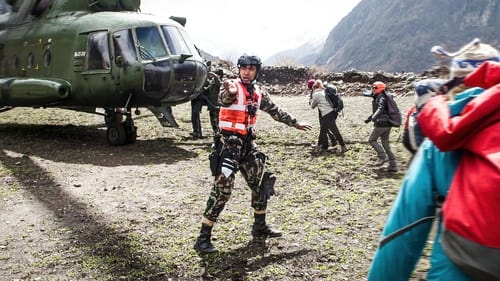
Play S1 E1Japan has a long history of natural disasters. BOSAI explores how to overcome them and save lives with the power of science.
Cast: Lemi Duncan
HDCC
Season 1
67 episodes
 1. TsunamiJapan has a long history of natural disasters. BOSAI explores how to overcome them and save lives with the power of science. This first program is about tsunami. First, we visit ruins in Miyagi Prefecture from the 2011 Great East Japan Earthquake, and learn how the psychological state of "normalcy bias" affects humans in a disaster. We also look at the characteristics of a tsunami, and new initiatives created with the aid of a supercomputer to help with evacuation drills and other countermeasures.CC15minMay 1, 2020
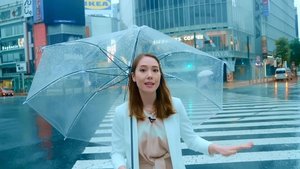 2. Urban FloodingJapan's cities are often located in low-lying areas along rivers and are paved with concrete and asphalt, putting them at risk of flooding in the event of heavy rain. In recent years, significant damage has been caused by overflowing drains and backflow along drainage channels. In this program, we'll look at the unique mechanisms of urban flooding and explore ways to protect against disaster.CC15minSep 5, 2020
 3. Urban WindstormsTyphoon Jebi, which struck Osaka Prefecture in 2018, is said to be the first typhoon to have hit a modern metropolis in Japan, and many buildings were damaged. According to experts, the destruction of those buildings could not be explained by the maximum instantaneous wind speed observed by the Japan Meteorological Agency. Urban structures may be to blame. Researchers believe that eddies of wind intensify around high buildings, causing sudden gusts of strong winds that exceed the observed values. In this episode, we will scientifically analyze the mechanism of sudden urban windstorms and explore ways to save lives.CC15minJan 11, 2021
 4. Long-period Ground Motion and A New ThreatIn the 2011 Great East Japan Earthquake, high-rise buildings in Tokyo's Shinjuku district, some 400 kilometers away from the epicenter, continued to sway significantly for 13 minutes. This is thought to have occurred when the high-rise buildings experienced resonance from the earthquake's "long-period seismic motion." Furthermore, in the 2016 Kumamoto earthquakes, a type of motion called a "long-period pulse" was recorded for the first time in Japan, presenting a new challenge for earthquake countermeasures. In addition to examining these types of earthquake motion, we'll also look at the effects of earthquakes on buildings and explore ways to save lives.CC15minJan 31, 2021
 5. Localized Torrential RainLocalized torrential rain is occurring with greater frequency in Japan. Flash floods from the heavy rain not only cause rivers to overflow but threaten homes and human life. This kind of weather has been difficult to predict, given the short timeframe between the formation of cumulonimbus clouds and the onset of rain. Yet a new type of radar called "phased-array radar" and a simulation using a Japanese supercomputer have been developed to forecast local downpours 10 minutes in advance. In this episode, we'll take a closer look at how the latest technology is being used to forecast localized torrential rain and protect lives.CC15minJun 19, 2021
 6. Debris FlowsAn increase in heavy rainfall in recent years has made debris flows a frequent problem in Japan. We'll look at research underway to help with their early detection and explore ways to protect lives.In recent years, debris flows have become more frequent in Japan due to an increase in heavy rainfall. Given that about 70% of Japan's land area is covered by mountains and forests, they have become a significant issue. After large-scale debris flows struck parts of Hiroshima Prefecture in 2014 and 2018, scientists found that debris flows tend to start out small and then repeatedly recur, causing significant damage. Research is now underway to determine the locations where debris flows are likely to occur based on topographical and geological data, and install sensors that can detect the very first debris flow. Information from these sensors can then help residents evacuate as quickly as possible. In this program, we'll introduce the latest research to save lives from debris flows.CC15minJul 10, 2021
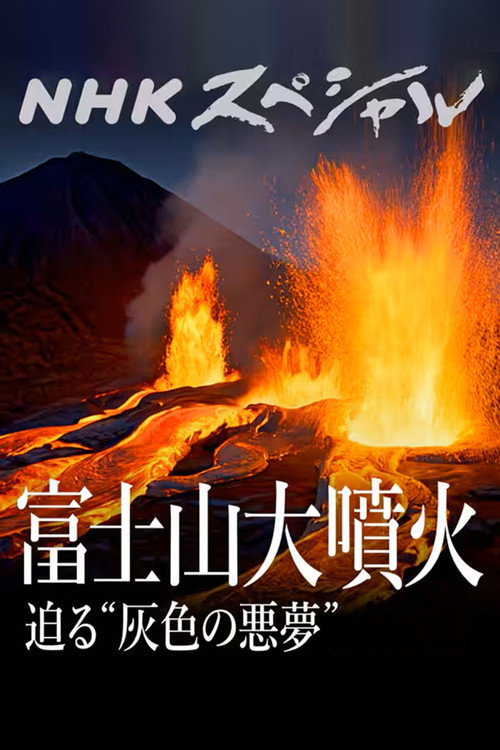
 7. Mt. Fuji's Threat to TokyoMt. Fuji has been an object of faith for many Japanese. On the other hand, it has also caused numerous disasters with repeated eruptions. According to a simulation released by the Japanese government in March 2021, the next eruption could cause up to 10cm of volcanic ash to accumulate in Tokyo, about 100km away, within a few hours. Volcanic ash contains small jagged pieces of volcanic glass that can cause severe eye pain. Furthermore, volcanic ash can become electrically conductive when it absorbs rain, damaging power grids and triggering power outages. Moreover, it is expected to cripple the transport system, including automobiles, trains and airplanes, leading to significant damage in the urban areas. What can we do to prepare for the eruption of Mt. Fuji? Find out the things you can do in your daily life to protect yourself from volcanic disasters.CC15minJul 17, 2021
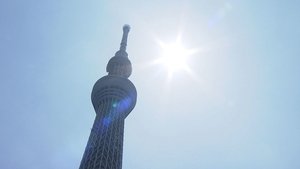 8. HeatstrokeIn Japan, the temperature is continuing to rise due to the effects of global warming and heatstroke cases are also on the rise. Heatstroke is a condition in which the body loses the ability to regulate its own temperature in a hot humid environment. It causes nausea, dizziness, delirium and could even lead to death. Professor Akimasa Hirata of Nagoya Institute of Technology developed a way to simulate the core body temperature using computer models of the human body. His research is helping to predict the risk of heatstroke. Furthermore, another research is underway that combines this technology with urban climate simulations. Discover ways to protect yourself from heatstroke through the latest research.CC15minAug 28, 2021
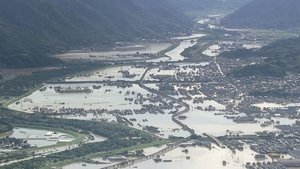 9. Home FloodingThe 2018 torrential rains in western Japan killed 51 people in the Kurashiki City town of Mabi in Okayama Prefecture. Many of the victims drowned on the first floor of their home despite having a second story available. Why weren't they able to evacuate? A simulation of the flooding revealed that flood waters rose at a much faster rate than initially expected, highlighting the importance of early evacuation during heavy rain and flooding. Meanwhile, home builders have been developing completely new houses that prevent damage from flooding. In this program, we'll take a closer look at the threat of home flooding as well as some of the latest countermeasures.CC15minNov 6, 2021
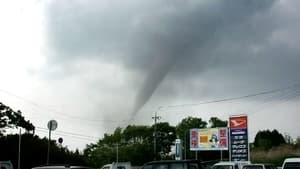 10. TornadoesJapan experiences an average of 23 tornadoes per year. They often cause serious damage when they strike in populated areas such as plains or along the sea. Tornadoes are also considered the most difficult type of weather phenomenon to predict, with few effective countermeasures available. Now, research is underway to capture the process of tornado formation using the latest radar, and to predict tornadoes using data from ground-based observation equipment. We'll take a closer look at the latest developments in tornado research and new efforts underway to protect lives.CC15minNov 13, 2021
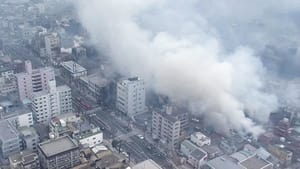 11. Post-earthquake FireIn 1995, the Great Hanshin-Awaji Earthquake struck Japan's Hyogo Prefecture early in the morning. Immediately after the earthquake, multiple fires broke out at the same time. Those who could not escape the fires lost their lives, and a total of 6,434 people died in the disaster. According to one investigation, 2 out of 3 people noticed the fires but did not evacuate immediately. Why was this? Reasons included delayed evacuation, an inability to evacuate and evacuation confusion. Now, the latest research is helping us understand the unexpected difficulties in trying to escape from a city hit by post-earthquake fires. In this program, we'll explore what is necessary to save lives.CC15minDec 4, 2021
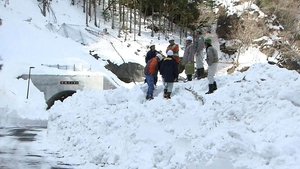 12. AvalanchesAvalanches occur suddenly, damaging houses and injuring people. Many of the avalanches that occurred in Yamanashi Prefecture in 2014 took place in locations where avalanches are uncommon. We now know that many of these were "slab avalanches," in which a slab of surface layer snow is dislodged. How and why did these slab avalanches occur? We'll look at the latest efforts to better understand the underlying mechanisms, and the steps being taken to save lives.CC15minJan 15, 2022
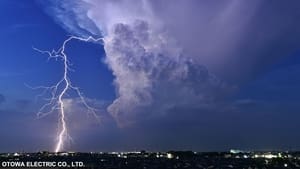 13. LightningAs a natural threat that can suddenly occur any time of the year at nearly any place around the world, lightning is formidable. Despite humanity's long history with lightning, there's still a surprising amount of misinformation about what to do during a thunderstorm. In this episode, leading Japanese experts on lightning will help us sort the facts from the myths, and show us new 3D imaging techniques that can trace the exact path taken by a lightning strike, which is expected to improve our predictions of when and where lightning will strike.CC15minFeb 5, 2022
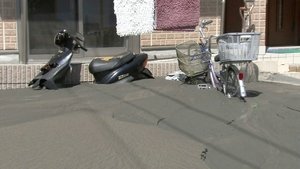 14. Soil LiquefactionThe Great East Japan Earthquake of 2011 caused unprecedented damage. Even areas 300 kilometers away from the epicenter suffered damages beyond what was predicted. A phenomenon called soil liquefaction occurred over a large area. Some 27,000 structures sank or tilted, causing massive damage. The city of Urayasu in Chiba Prefecture was particularly affected. Surveys later revealed that the city had all the criteria for liquefaction to occur. The key was groundwater depth. Find out the mechanism of liquefaction and the latest mitigation technology.CC15minFeb 12, 2022
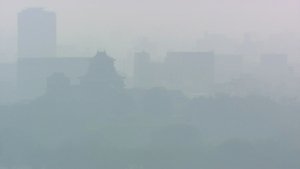 15. PM2.5PM2.5 are extremely small particles. The WHO estimates that every year PM2.5 is responsible for 2.4 million premature deaths worldwide. What is the cause? According to a study conducted by Kyoto University, PM2.5, which enters the body through the respiratory organs, can damage cells and cause inflammation, worsening various diseases. It has also been linked to COVID-19. How do we deal with this invisible threat? In this program, we'll examine countermeasures and look at the latest research on prediction using space technology.CC15minMar 5, 2022
 16. Tsunami PredictionThe Great East Japan Earthquake and the massive tsunami that followed caused unprecedented damage along the coast of the Tohoku region with waves over 16 meters high. Why was the initial tsunami warning inaccurate? Errors are thought to have occurred as a result of tremors that exceeded what scientists had anticipated. Professor Shunichi Koshimura of Tohoku University is developing a completely new tsunami prediction system after realizing the limits of the current system. The key is to make predictions based on data gathered by observing real-time movements of the earth's crust. This new system is to be applied to the mega earthquake projected to hit Japan in the near future. Find out the latest in tsunami prediction technology that will lead to saving human lives.CC15minMar 12, 2022
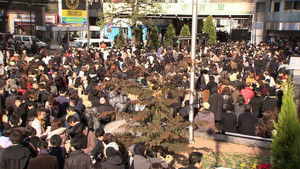 17. Human StampedeWhat is a human stampede? It is a disaster in which people are so crowded together that they push and squeeze against each other, making it hard to breathe. It can also cause a person to fall, triggering a domino effect that results in casualties. In the past, human stampedes have taken the lives of countless people. In Japan, there is a high risk of a mega-quake hitting directly beneath the Tokyo metropolitan area in the near future. If this occurs, up to 8 million people are expected to be stranded in the city, creating a high possibility of human stampedes. What can we do to prevent casualties? Find out about the latest research on crowd safety.CC15minMay 21, 2022
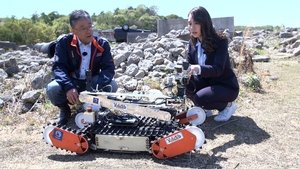 18. Disaster Response RobotsThe Great East Japan Earthquake in 2011 and its resulting tsunami caused the accident at the Fukushima Daiichi Nuclear Power Plant. The worst nuclear accident in Japan's history suffered from a lack of information due to the inaccessibility of the reactor buildings. For this reason, "disaster response robots" were deployed to take pictures and measure radiation doses inside the buildings. In the aftermath of a major disaster like that as well as an earthquake or fire, robots can quickly enter dangerous sites that are inaccessible to humans, find people in need of rescue, and take detailed measurements to provide data about the site. In this episode, we'll look at the latest developments among Japan's "disaster response robots."CC15minJun 4, 2022
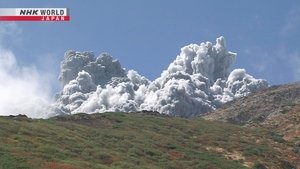 19. Phreatic EruptionsMt. Ontake is located on the border of Nagano and Gifu prefectures. Standing 3,067 meters above sea level, it is a popular daytrip hiking spot for mountain enthusiasts. Mt. Ontake was crowded with climbers around noon during a September vacation season, when the sudden stream-driven "phreatic eruption" occurred. Many climbers panicked as they encountered this unexpected natural phenomenon. Why couldn't this eruption be predicted? According to experts, there are 3 main types of volcanic eruptions, and the warning signs of phreatic eruptions are the hardest to detect. Now researchers are making advances to detect the slightest signs of an eruption using observation satellites and chemical approaches. Find out the latest on the research of volcanic predictions.CC15minAug 6, 2022
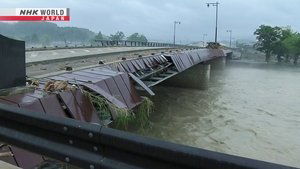 20. Linear RainbandsLinear rainbands. Once they occur, the area is hit with heavy downpour for an extended period of time, resulting in flood damage. In Japan, this phenomenon has been drawing attention ever since it struck in 2014, bringing torrential rainfall to Hiroshima Prefecture. While various studies led by the Japan Meteorological Agency are underway, it is still difficult to make accurate forecasts of linear rainbands at this point. When and where do linear rainbands occur? The mechanisms are still not understood. Find out how researchers are taking on the challenge to predict linear rainbands by accurately observing the location and the amount of water vapor in the atmosphere and performing rapid calculations.CC15minAug 13, 2022
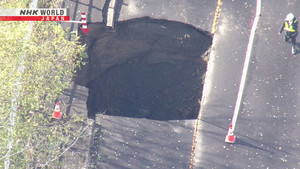 21. Road Cave-insIn November 2021, the surface of a road in Mikasa, Hokkaido Prefecture suddenly caved in. A car fell into the large hole that formed, seriously injuring its three passengers. No underground construction work had been going on in the surrounding area, and the accident occurred without warning. Road cave-ins and other types of sinkholes happen not only in Japan but also in cities all over the world. One of the major causes is deterioration from aging pipes underground. Experts warn that multiple factors combine to cause sinkholes. In this program, we'll look at how sinkholes form as well as their countermeasures using the latest technology.CC15minOct 1, 2022
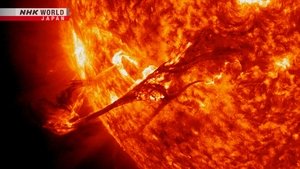 22. Solar FlaresIn February 2022, an American space exploration company simultaneously launched 49 satellites. Yet not long after, 40 of those satellites fell out of orbit and burned up upon re-entry into the Earth's atmosphere. Similar accidents have occurred frequently in the past. The cause of such incidents is believed to be solar flares, huge explosions that occur on the sun's surface. Solar flares can also lead to other disasters that threaten our daily lives, such as major power outages, radio interference, and communication problems for airplanes and ships. Why do solar flares occur? We'll visit some researchers in Japan that are working hard to understand their mechanism and predict future occurrences.CC15minOct 22, 2022
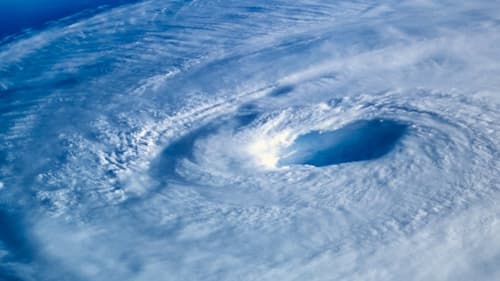
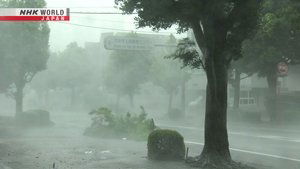 23. Typhoon ForecastingMore than 10 typhoons hit the Japanese archipelago in an average year. Their strong winds and heavy rains can cause flooding and landslides, even toppling buildings. To minimize such damage, Japan is working to further improve its predictions and monitoring of typhoon activity. But, accurately predicting a typhoon's changing strength is particularly challenging. To address this, researchers now fly a plane into the eye of a typhoon to measure the actual atmospheric conditions directly on-site. In this episode, we learn more about flying into these fierce typhoons.CC15minDec 3, 2022
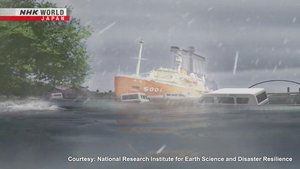 24. Storm SurgesWhen a typhoon or similar storm approaches, air pressure drops and the sea surface is sucked up. Strong winds also push seawater towards the shore. These factors combine to create a storm surge, a rise in the sea level that often results in coastal flooding. As an island nation, Japan is particularly vulnerable to storm surges. What will happen to the power of storm surges as climate change progresses? According to the latest research, the damage caused by storm surges is expected to become more severe, while the frequency of "once-in-50-year" storm surges may increase. We'll introduce some of latest measures to cope with this prospect.CC15minDec 24, 2022
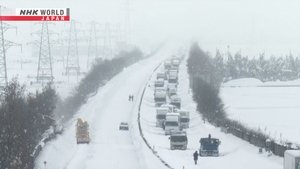 25. Heavy SnowIn recent years, heavy snow has been falling frequently in Japan. While the overall amount of snowfall per winter has been decreasing year by year, the amount of snow that falls at one time is conversely increasing. What role does climate change play in this? It turns out that rising temperatures have led to more water vapor in the Sea of Japan, and interaction with a weather phenomenon called JPCZ has subsequently brought on heavy snow. We'll examine the mechanism behind this as well as the risks of snow disasters.CC15minFeb 11, 2023
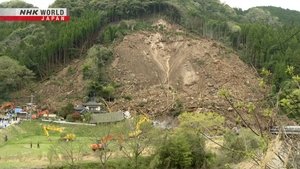 26. LandslidesIn April 2018, a landslide occurred on a hill behind houses in Nakatsu City, Oita Prefecture. The landslide moved sediment over a width of more than 100 meters, completely destroying four houses and killing six people. Landslide hazard areas are found throughout Japan, and the total number of landslide hazard areas is approximately 680,000. Why do landslides occur? Experts believe they are often triggered by heavy rainfall. In this episode, we'll look at the mechanism behind landslides and the latest research on reducing their damage.CC15minFeb 18, 2023
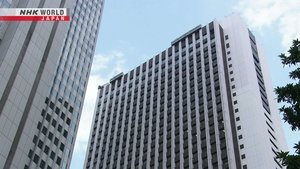 27. Quake-resistant SkyscrapersOn March 11, 2011, a huge earthquake occurred off Japan's Tohoku coast. Skyscrapers 400 kilometers away in Tokyo's Shinjuku district continued swaying for 13 minutes. And 770 kilometers away in Osaka, tall buildings swayed for more than 10 minutes. This swaying was caused by "long-period seismic waves", which can travel long distances at frequencies that resonate with high-rise buildings in particular. In this episode, we'll look at some of the steps being taken to address this problem, including heavy weights installed atop high-rises.CC15minMar 11, 2023
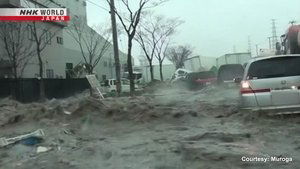 28. Tsunami ObservationOne of the most important things to do to save lives from a major tsunami is to evacuate to safety as soon as possible. The key to this is fast and accurate tsunami information. Once a life-threatening tsunami is detected, people living in risk areas have to evacuate to a place where they can escape from tsunami damage. After the 2011 Great East Japan Earthquake, Japan has established a large-scale tsunami observation network on the ocean floor and is working to disseminate accurate and prompt tsunami information.CC15minMar 18, 2023
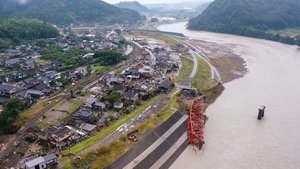 29. River FloodingRiver flooding happens when heavy rain causes river levels to rise and overflow with large amounts of water. In recent years in Japan, a weather phenomenon known as "linear rainbands" has led to frequent torrential rain and the flooding of rivers. River flooding comes in two forms, and when one accompanies the other, the damage also grows more intense. Knowing the risks in the areas we call home and swiftly fleeing to a safe evacuation site in times of emergency are what is most needed to save lives. We will introduce tools with the latest digital technology that are effective for this purpose.CC15minMar 25, 2023
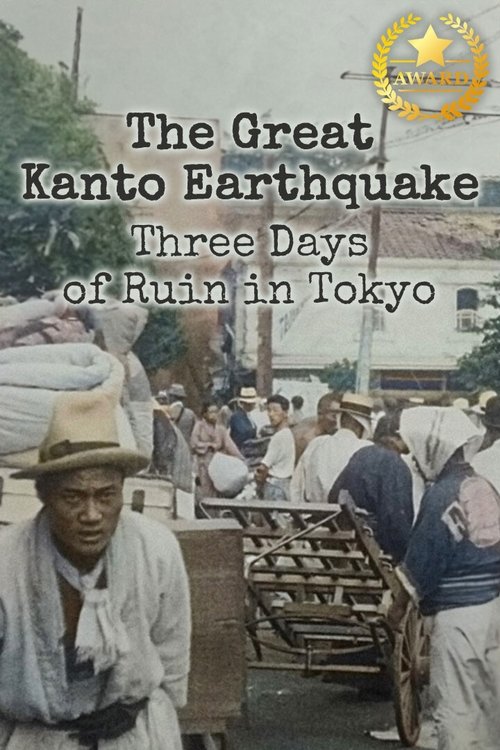
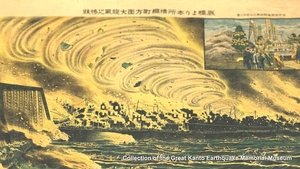 30. Fire TornadoesThe Great Kanto Earthquake of 1923 was one of the worst disasters in Japanese history. A magnitude 7.9 earthquake centered in the western part of Kanagawa Prefecture caused buildings to collapse, landslides to occur, and a tsunami to hit the coastal areas. However, most of the victims did not die in these disasters; the main cause of death was fire. In one open space in Tokyo, almost all of the nearly 40,000 evacuees who had gathered there died in a fire. Yet this was not just any fire, but rather a fire whirl, or what is more commonly known as a "fire tornado."CC15minJun 24, 2023
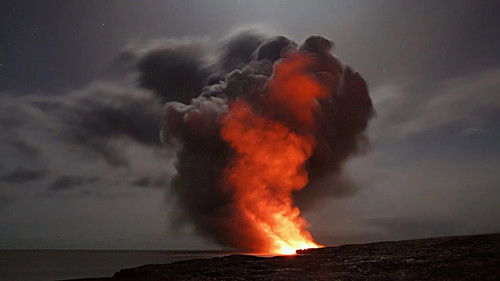
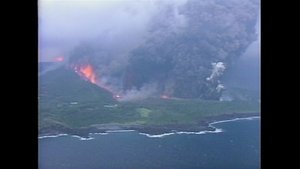 31. Lava FlowsThe 1983 eruption of Tokyo's Miyake Island resulted in the burial or loss of approximately 400 houses as well as a school built of reinforced concrete that was also buried by lava flow. The hazard map for Mount Fuji was revised in 2021, revealing the possibility of far greater damage from lava flows. Why have the damage assumptions been increased? And what countermeasures should be taken? In this episode, we'll look at the latest research on lava flows from Mount Fuji.CC15minJul 29, 2023
 32. Large-Scale BlackoutsIn September 2018, the Hokkaido Eastern Iburi Earthquake knocked out power of the entire region, affecting up to 2.95 million households. The tremor caused several power plants to shut down, disrupting the electrical frequency. This led to a chain reaction of other power plants to shut down. People's lives were greatly affected, as medical equipment failed and logistics systems were disrupted. What can we do to prevent such large-scale power outages? Find out what power companies and local communities are doing to take steps against massive blackouts.CC15minAug 26, 2023
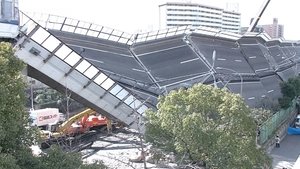 33. Active FaultsEarthquakes destroy many buildings and take lives. One cause of earthquakes is an active fault. The impact of a sudden displacement of the ground shakes the Earth and causes an earthquake. Japan has compiled a database of active faults found to date and is preparing for earthquakes by examining each one in detail to predict its magnitude. Surveys are also being conducted to find new active faults. In this episode, we'll see how one researcher is searching for active faults hidden in the seafloor by using ultrasonic waves sent out from a ship.CC15minSep 30, 2023
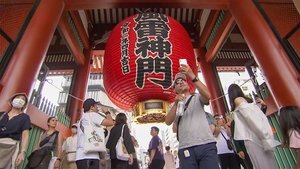 34. Ensuring a Safe Journey in JapanThe number of foreign visitors to Japan has been on the rise since the COVID travel restrictions have been lifted. However, many are not fully aware of natural disasters that strike Japan such as earthquakes, tsunamis, and typhoons. Now, there are efforts to ensure the safety of visitors during disasters. The newly developed "announcer drone" translates text into 29 languages and instructs people to evacuate while flying. At evacuation centers, local governments are well prepared to notify important information to those who do not understand Japanese, using translation systems developed for emergency situations.CC15minOct 28, 2023
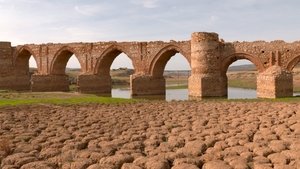 35. DroughtsDroughts are increasing due to global warming. The latest simulations predict that megadroughts could occur along the Mediterranean coast and the west coast of the US. Now, Japan's cutting-edge technology is attracting attention as a solution to water scarcity. In Saudi Arabia, there are high hopes for using a filter developed by Shinshu University that removes over 99% of salt content from seawater. Meanwhile, Egypt is looking into a water dispenser developed by a Japanese venture company which produces drinking water from air.CC15minNov 18, 2023
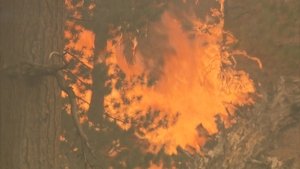 36. WildfiresWildfires are increasing worldwide and global warming is accelerating the risk. Find out about Japan's unique system for swiftly responding to fires and the latest research on forest fire mitigation.CC15minDec 23, 2023
 37. Tokyo MetropolisTokyo is prone to natural disasters such as earthquakes and flooding. Discover the most advanced disaster prevention technologies hidden throughout the city.CC15minJan 13, 2024
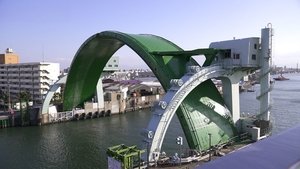 38. Osaka MetropolisOsaka, a city that thrives on rivers, has faced countless flood damage. Find out the latest measures protecting the city from typhoons and heavy rain.CC15minJan 20, 2024
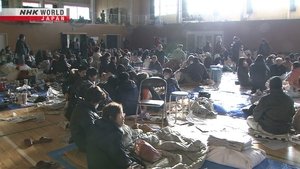 39. Emergency FoodFind out about Japan's emergency food options that meet the needs of various people. Also discover the rolling stock method, a smart way to stockpile emergency food.CC15minMar 2, 2024
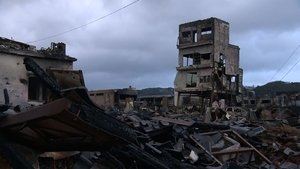 40. Tsunami EvacuationIn this episode, we look at Japan's efforts to improve tsunami evacuation, from overcoming "normalcy bias" that causes people to underestimate risk, to the installation of coastal evacuation towers.CC15minMar 16, 2024
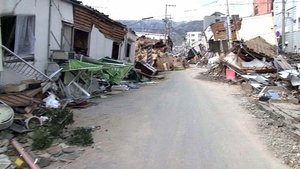 41. How to Survive an EarthquakeBe earthquake-ready! Learn survival tips for quakes and when you're trapped under rubble. You'll want to watch this before your next trip to Japan.CC15minApr 20, 2024
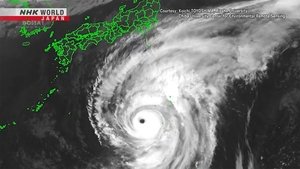 42. How to Survive a FloodWhat does it take to survive a flood? Japan has developed survival skills for floods through experiences such as typhoons. Find out how to safely navigate flooded streets and escape sinking cars.CC15minMay 18, 2024
 43. Drone Disaster ManagementDrones are proving particularly useful in the area of disaster response. Now, Osaka University is developing the world's first system to project evacuation information in the air.CC15minJun 8, 2024
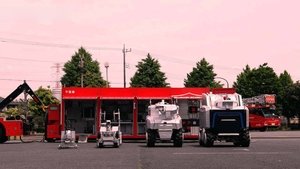 44. Send in the Robot Fire Brigade!The world's first robot fire brigade has been developed in Japan. See how these incredible robots equipped with AI can tackle large-scale fires in areas that are inaccessible to humans.CC15minJul 13, 2024
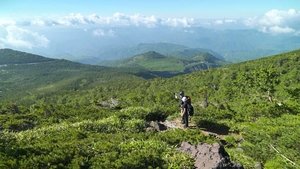 45. Safety Tips for Hiking in JapanMany mountains in Japan that attract tourists are active volcanoes. Learn safety tips for climbing and the latest on eruption prediction research.CC15minSep 14, 2024
 46. Digital TwinIn 2021, digital twin technology analyzed a landslide in Atami and prevented further disasters. Find out how it is also used for tsunami prediction.CC15minSep 28, 2024
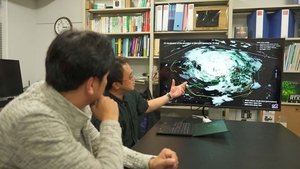 47. Scientists on a Quest to Control TyphoonsTyphoons are expected to intensify in the future, but can they be controlled? Find out about a national project that explores ways to weaken winds using fleets of ships and artificial clouds.CC15minNov 2, 2024
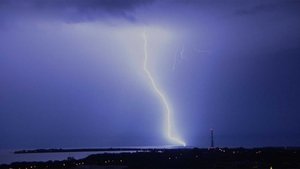 48. Uncovering the Mysteries of Winter LightningIn Japan, extremely powerful lightning known as a superbolt can occur in the Hokuriku region during winter. What is the source of this power, which is comparable to a small nuclear explosion?CC15minDec 28, 2024
 49. Phase Free - Disaster Preparedness in Everyday LifePhase Free is a disaster preparedness concept that does not distinguish between everyday life and emergency situations. We'll see how everyday items can be used in times of disaster as well.CC15minJan 25, 2025
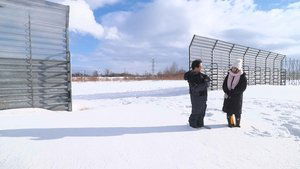 50. For Safe Travel Through Snowy RegionsJapan's snow is a big draw for tourists, but snow and ice can also pose dangers to drivers. We'll look at some Japanese technology being developed to prevent whiteouts and accidents on slippery roads.CC15minFeb 22, 2025
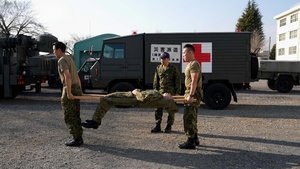 51. Japan Self-Defense Forces Disaster PreventionWe look at Self-Defense Forces disaster prep, including their response team's special equipment and techniques, and a new tsunami prediction system.CC15minMar 15, 2025
 52. Sendai MetropolisIn this episode, we'll look at how Sendai has transformed into a disaster-resilient city with its "multiple defenses" - countermeasures taken in its coastal area to minimize damage from a tsunami.CC15minMar 29, 2025
 53. Metropolis Tokyo ShibuyaShibuya is one of Japan's most famous tourist spots, but the low-lying city is also at risk of flooding and earthquakes. We'll look at Shibuya's advanced efforts to prepare for such disasters.CC15minApr 26, 2025
 54. How Tokyo Skytree Deals with DisasterTokyo Skytree, one of Japan's most famous tourist attractions, is equipped with a variety of countermeasures against disasters. We'll go behind the scenes to explore the tower's advanced technologies.CC15minJun 21, 2025
 55. Disaster Preparedness for Companion AnimalsOver 15,000 pets lost their lives in the 2011 quake.
Discover how smart collars and instant shelter units are changing pet safety during emergencies.CC15minJul 26, 2025
55. Disaster Preparedness for Companion AnimalsOver 15,000 pets lost their lives in the 2011 quake.
Discover how smart collars and instant shelter units are changing pet safety during emergencies.CC15minJul 26, 2025 56. KyotoThe historic city of Kyoto faces threats of landslides and post-earthquake fires. What modern systems defend this ancient city from natural disasters?CC15minAug 23, 2025
 57. Preventing Marine DisastersIn summer, accidents near the beach are a constant occurrence. But new technologies using smart devices are helping to prevent disaster in Japan.CC15minAug 30, 2025
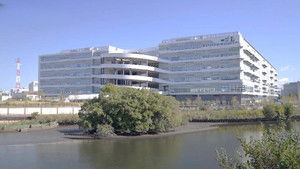 58. Large-Scale Logistics FacilitiesMassive logistics facilities underpin online retail, but their robust warehouse structures, state-of-the-art seismic isolation systems and other features make them suitable as evacuation sites too.CC15minNov 22, 2025
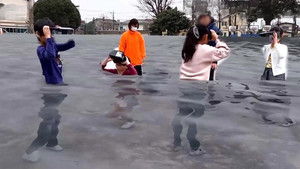 59. Immersive Disaster Preparedness TrainingDisaster training is advancing with digital technology. See how AR/VR technology is helping participants gain realistic experience about the movement of smoke in fires and the risks of a tsunami.CC15minDec 20, 2025
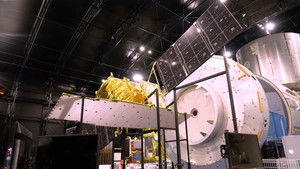 60. Disaster Preparedness from SpaceExplore how Japan uses artificial satellites and surface observation to quickly assess flood and earthquake damage, supporting disaster preparedness.CC15minJan 3, 2026
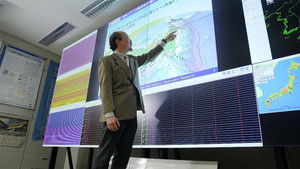 61. Nankai Trough MegaquakeA Nankai Trough megaquake is expected to cause severe damage. In this episode, we will examine how Japan is preparing for this impending disaster with cutting-edge technology.CC15minJan 24, 2026
 62. Protecting Cultural Properties from DisasterFrom protecting valuable ceramics to reinforcing World Heritage structures, we'll see how the latest disaster preparedness technology is safeguarding Japan's irreplaceable cultural properties.CC15minFeb 7, 2026
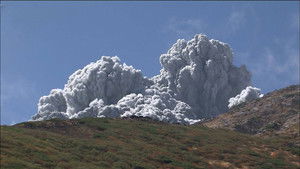 63. The Evolution of Volcanic Disaster Prediction TechnologyJapan is one of the most volcanically active nations. Its world-leading research on volcanic disasters has led to new technologies to track underground magma and predict phreatic eruptions.CC15minFeb 14, 2026
 64. Reducing the Danger from Bear EncountersBear encounters are happening more frequently all over Japan. We'll look at new technologies to reduce the danger they pose, such as GPS tracking and an AI model that predicts bear encounters.CC15minFeb 21, 2026
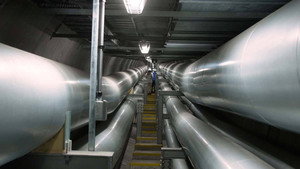 65. Extensive Underground InfrastructureA major Tokyo quake could leave many stranded in Marunouchi, one of Japan's leading business districts. We'll examine its vast energy network protecting people from disasters and power outages.CC15minApr 25, 2026
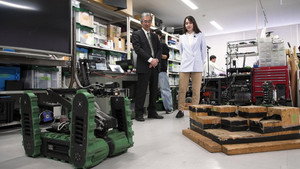 66. Disaster Response RobotsRobots are garnering attention for their potential in disaster areas. We'll look at the cutting-edge initiatives aimed at further advancing the application of disaster response robots.CC15minJun 20, 2026
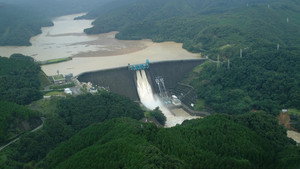 67. Upgrading Dams for a Changing ClimateClimate change is causing heavy rainfalls, emergencies that force dams to release water. This episode looks at dam upgrades being made in response.CC15minJul 18, 2026
Viewers also watched


BOSAI: Science that Can Save Your Life
20201 season64 episodesReturning Series
Japan has a long history of natural disasters. BOSAI explores how to overcome them and save lives with the power of science.
Creators and cast
- Created by
- Yoshikatsu Serizawa
- Cast
- Lemi Duncan
- Studio
- NHK, NHK Educational
Maturity rating
Not yet rated.
Audio languages
English, Japanese
Where to watch
Not currently listed on any streaming, rental or purchase service.

Details and artwork from TMDB. Availability from JustWatch and can change without notice.